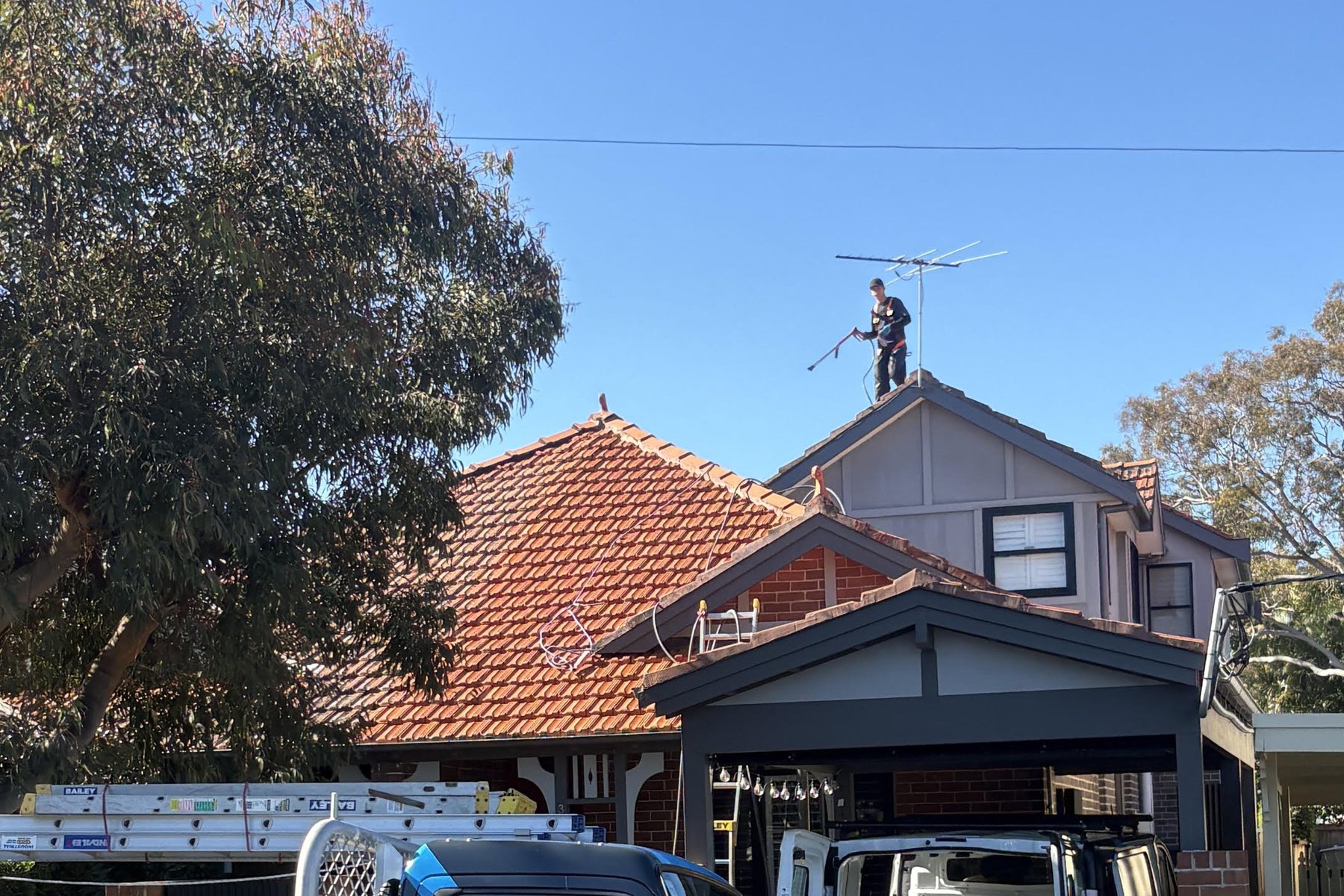
Green moss in the tile joints, grey-white lichen crusts and dark streaks creeping down the slope all point to a roof that stays damp. We identify what is growing, lift it with a soft wash or carefully controlled pressure, then finish with an anti-mould and lichen treatment that slows it coming back. Tile and metal roofs on homes, strata and commercial buildings across Sydney.

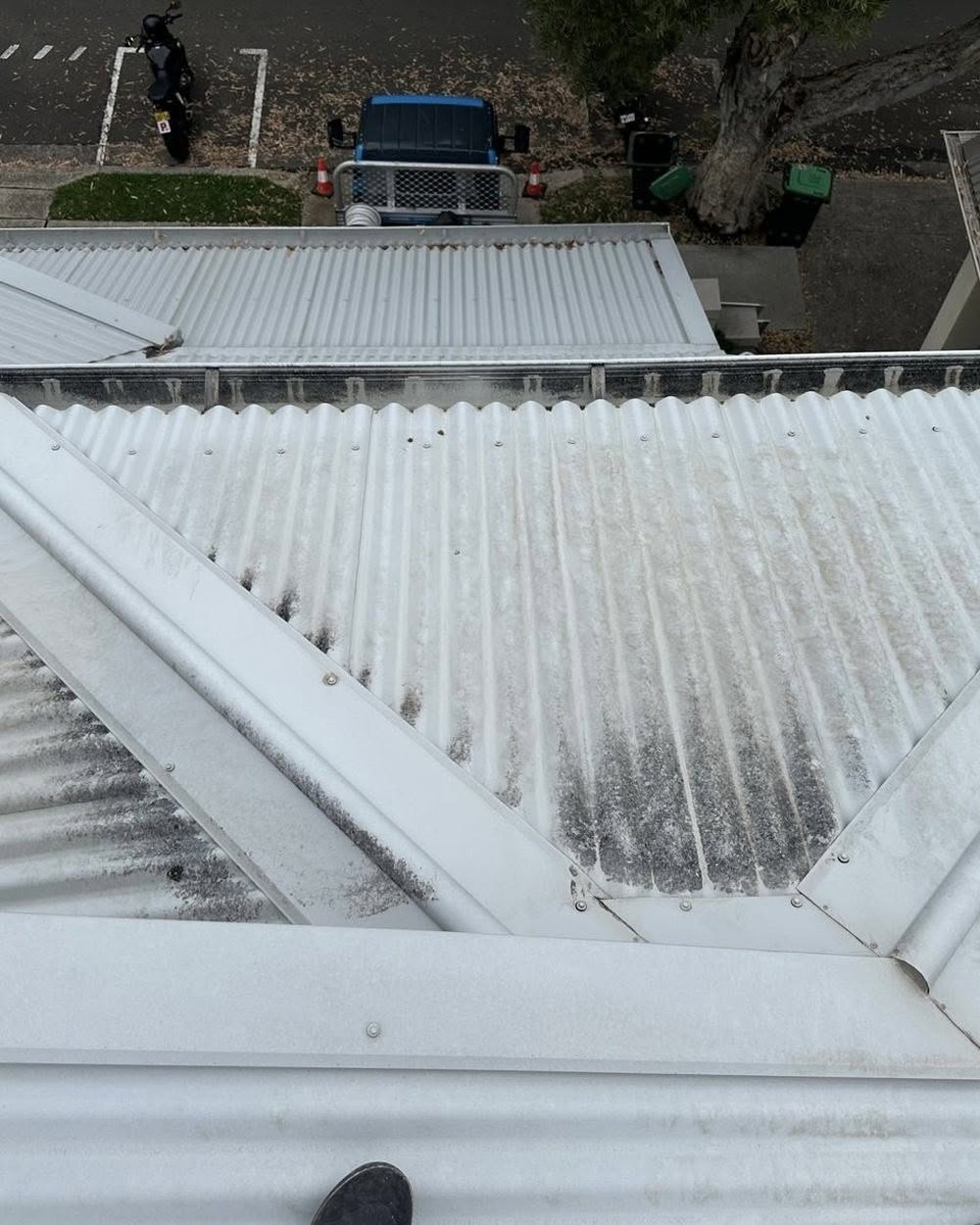
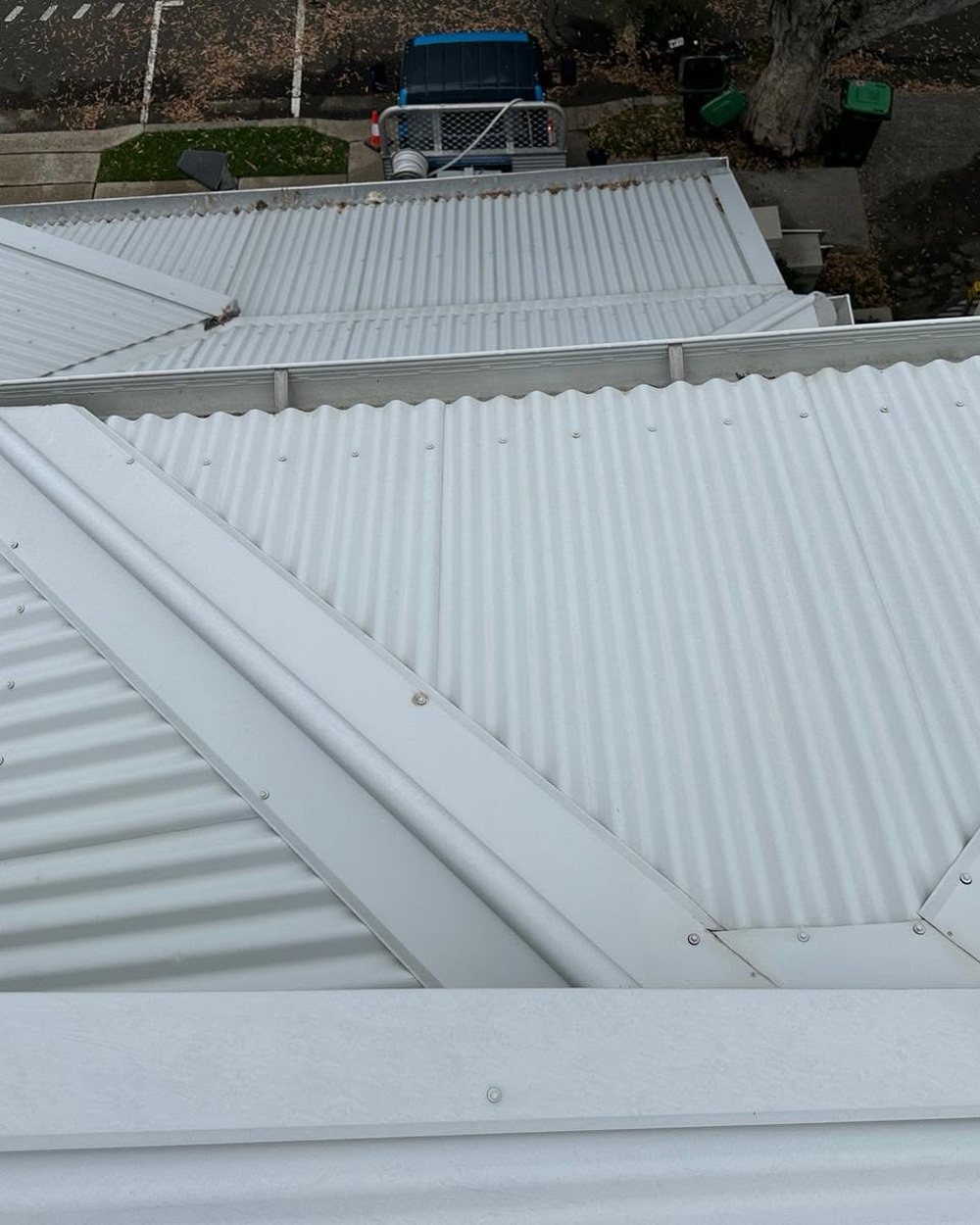
Dark algae streaks had spread across the sheeting on this corrugated roof. A low-pressure soft wash took the staining off and left the coating intact, with nothing forced under the laps or fixings.
Growth on a roof tells you part of it stays wet for too long after rain or dew. Moss needs steady moisture, so it settles on south-facing slopes, under overhanging branches and anywhere a neighbouring building blocks the sun. Leaf litter caught in valleys and along tile laps holds water and gives spores somewhere to start. Lichen is a fungus and an alga living together; it copes with drier spots and anchors itself into the tiny pores of the tile face, which is why it clings on after the moss has gone. Algae and mould form the dark film and black streaks that run downhill wherever runoff concentrates. Scraping lichen off, or blasting it at full pressure, usually takes the tile glaze or surface coating with it and leaves a rougher face where new growth settles more easily. A measured approach removes the growth and leaves the surface intact.
Taking the growth off is only half the job; the aim is a roof that dries out properly between showers. Here is what a moss and lichen treatment changes:
Moss shed from the tiles ends up in gutters and valleys; a gutter clean clears what washes down.
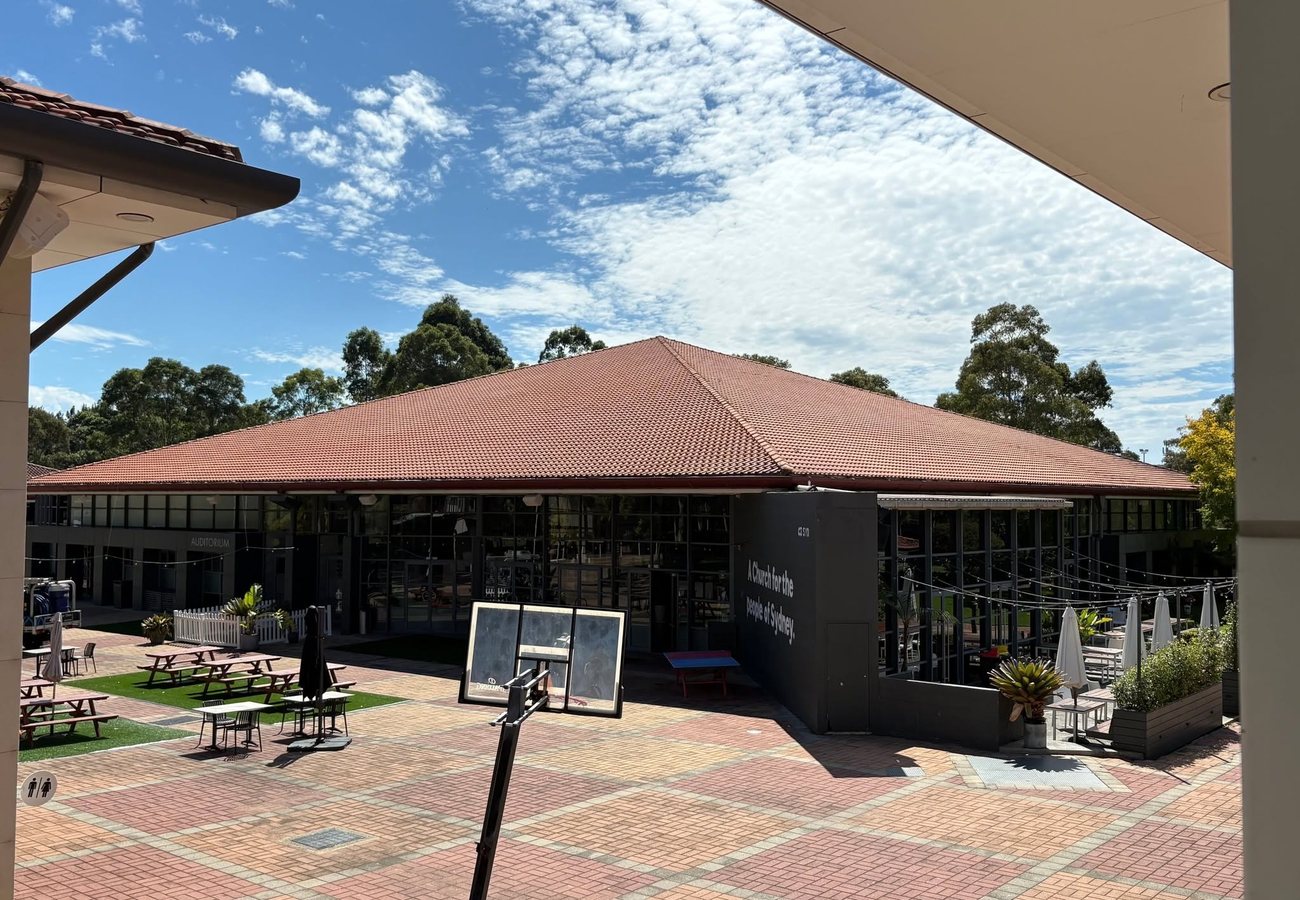
Want the whole roof refreshed, not just the growth? Ask about a full roof clean.
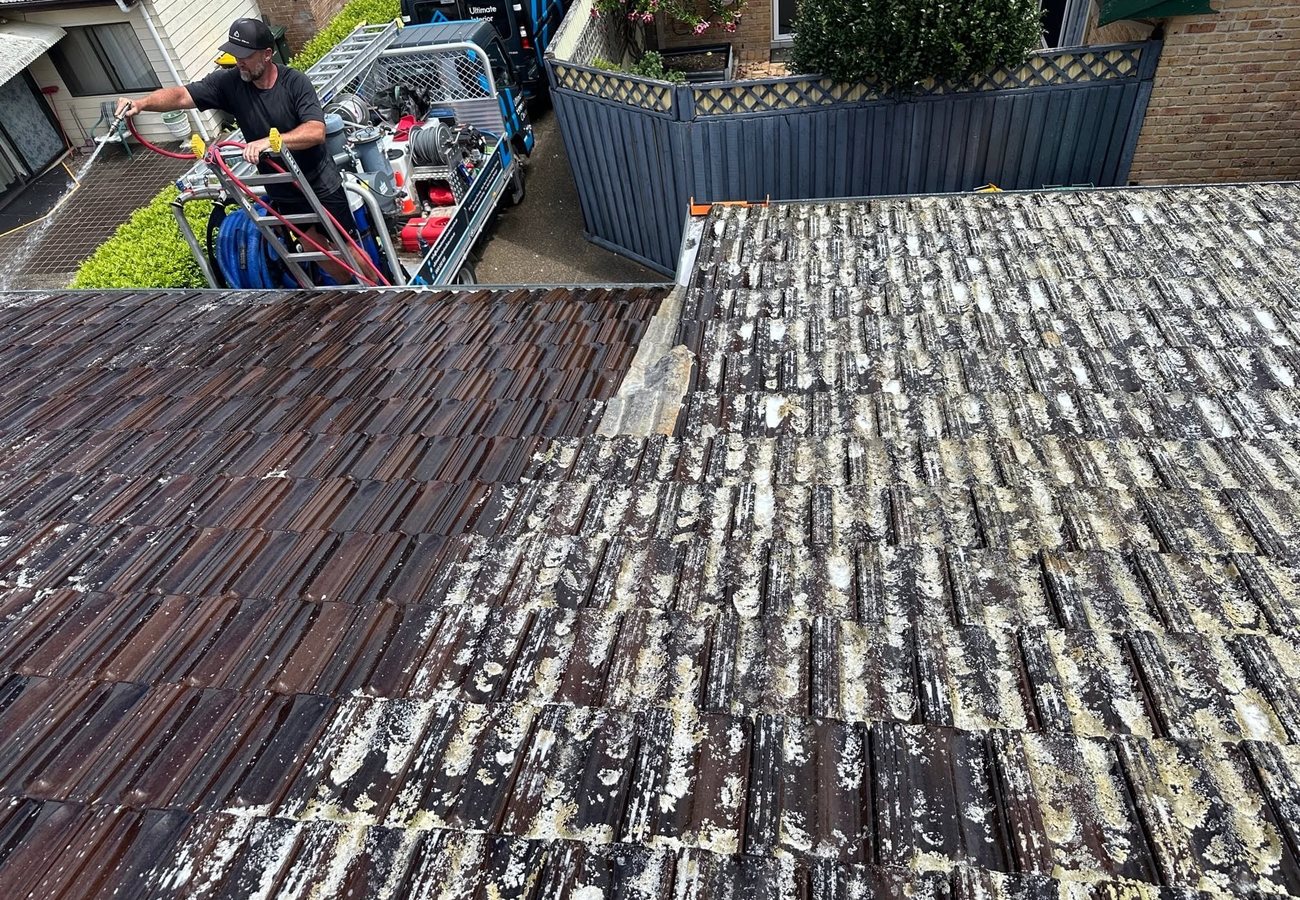
Without a moss blanket, tiles and laps dry out quickly once rain stops.
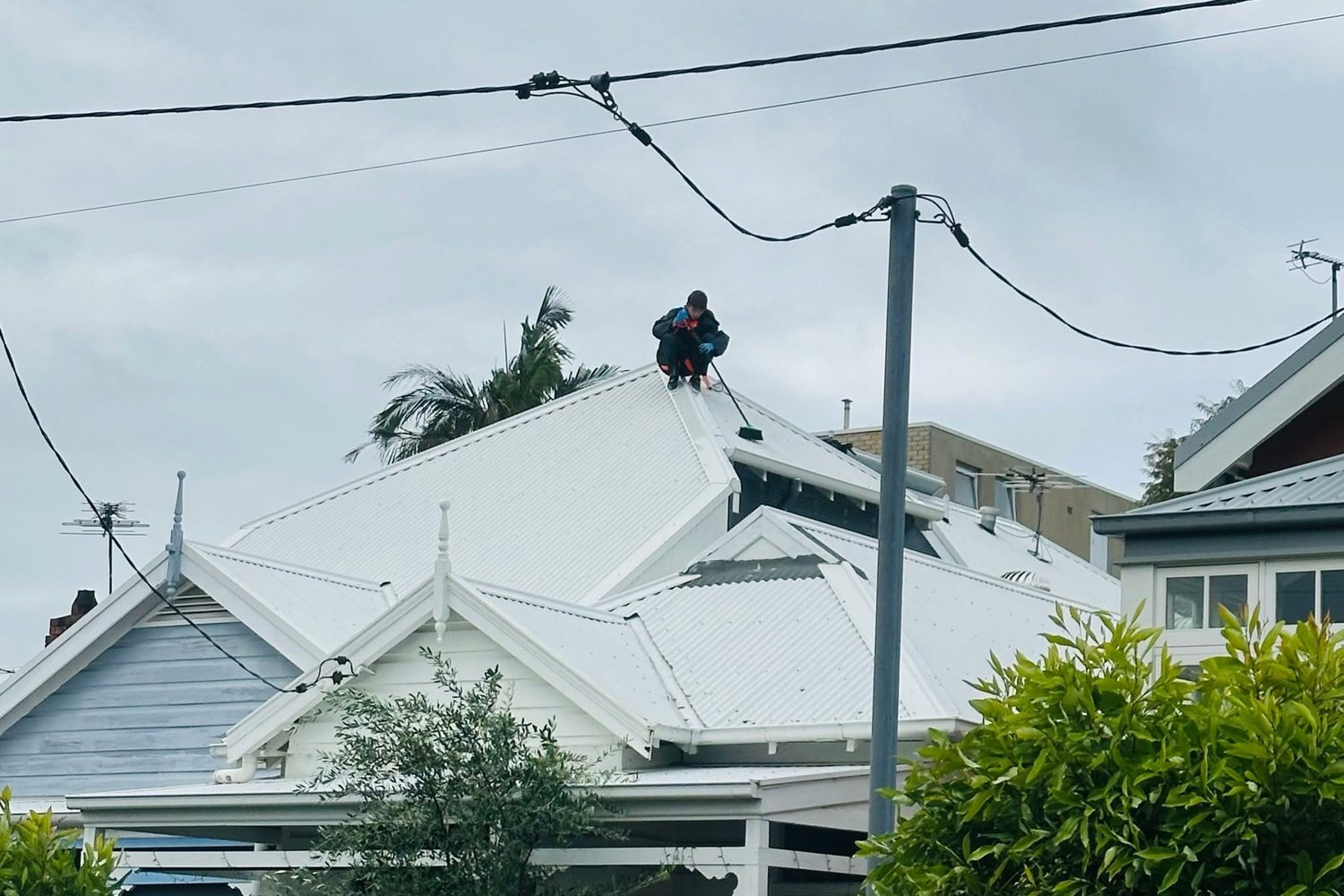
The follow-up treatment works into the surface to slow moss and lichen returning.
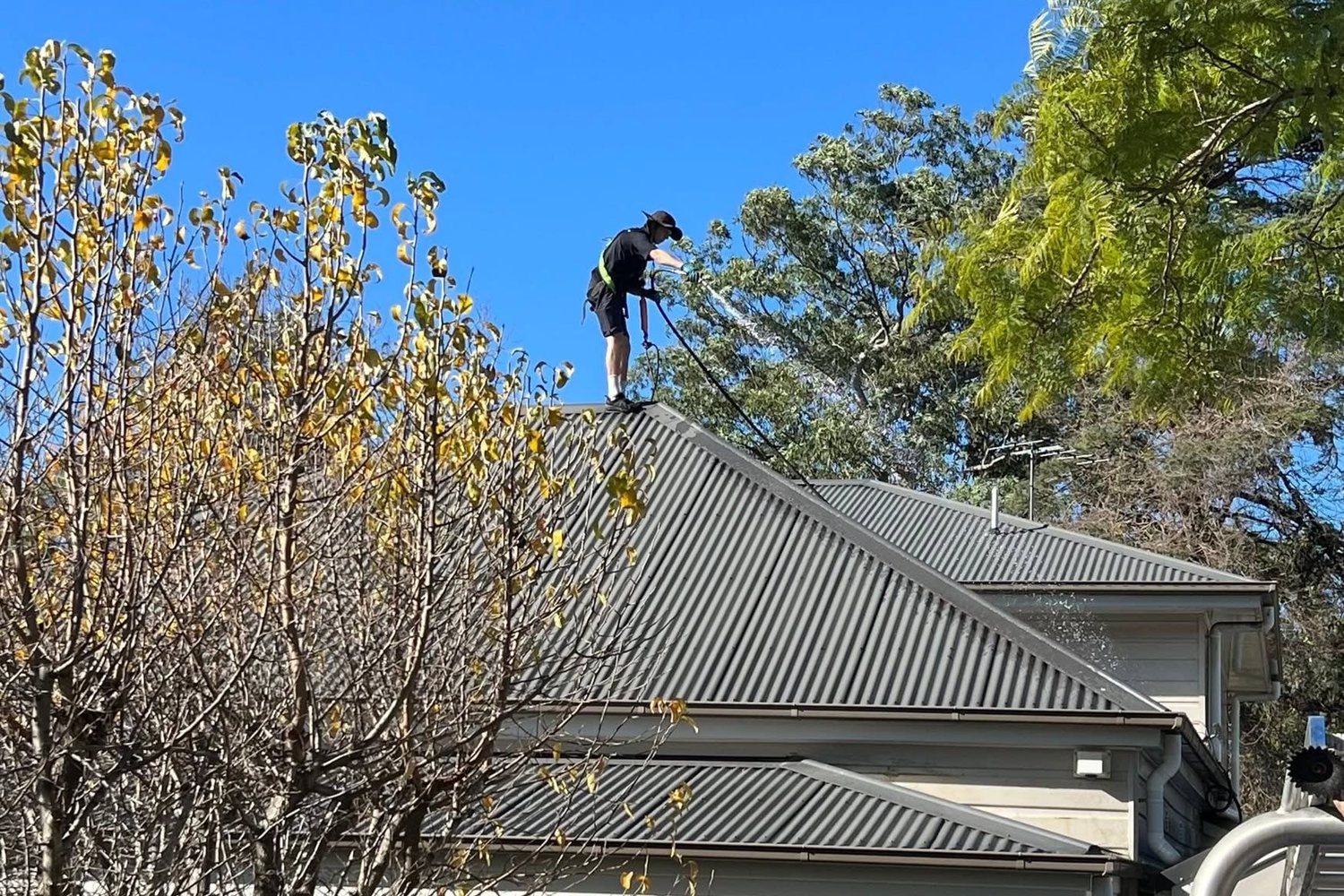
Each type of growth looks different, holds on differently and calls for a slightly different approach.
Soft green cushions that build up in tile joints, along ridges and on shaded laps. Moss soaks up water like a sponge, keeps the surface damp and drops clumps into gutters as it dries.
Flat grey, white, yellow or orange crusts that look painted on. Lichen grips the tile face itself, so it has to be softened by treatment rather than scraped or blasted off.
The dark film and vertical streaking seen on tile and metal roofs alike. It is mostly airborne algae living on moisture and dust, and it lifts readily with a soft wash.
Each step is matched to the growth on your roof and the material underneath it.
We check what is growing, how thick it is, where water sits and the state of the tiles or sheeting before choosing a method.
Most growth comes away with a low-pressure soft wash; controlled pressure is kept for surfaces that can take it.
An anti-mould and lichen treatment goes on once the roof is clean, to slow new growth from taking hold.
You get before-and-after photos, and we tell you if gutters or valleys are holding moss that needs clearing.
Professional Exterior Cleaning for a Spotless Finish
Prevent blockages, improve drainage & shield your home from water damage.
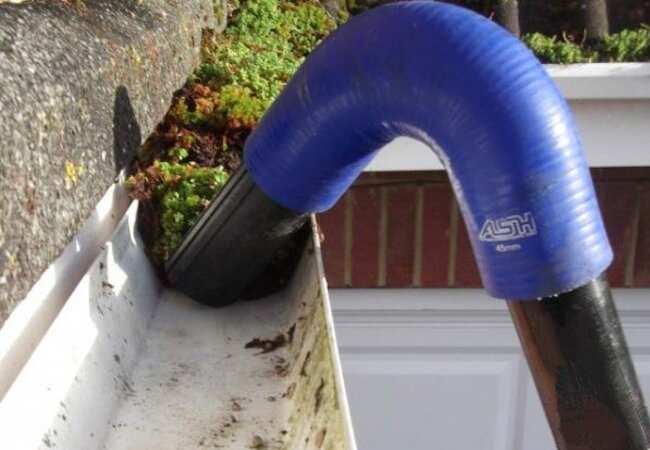
Improve your property's appearance, protect roofing & boost home value.
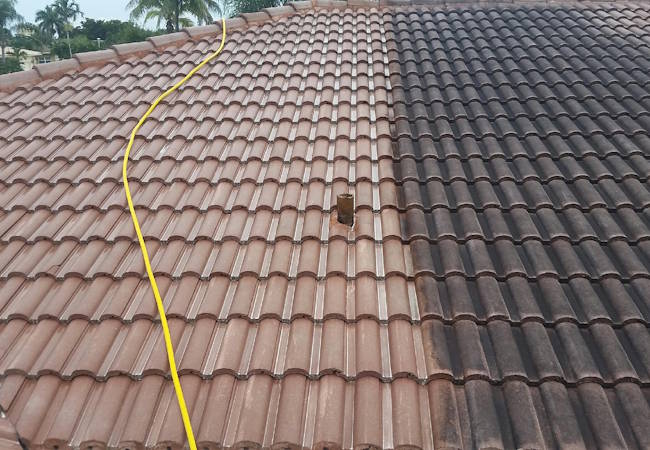
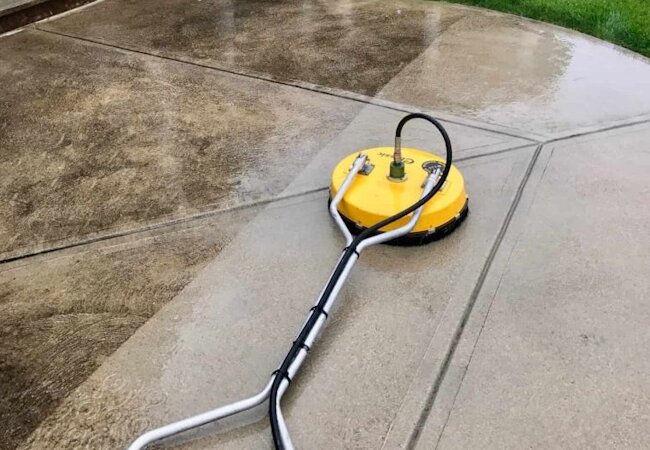
Safely remove tough dirt, stains, moss and grime using high pressure water.
Maximise energy production
and protect your investment.
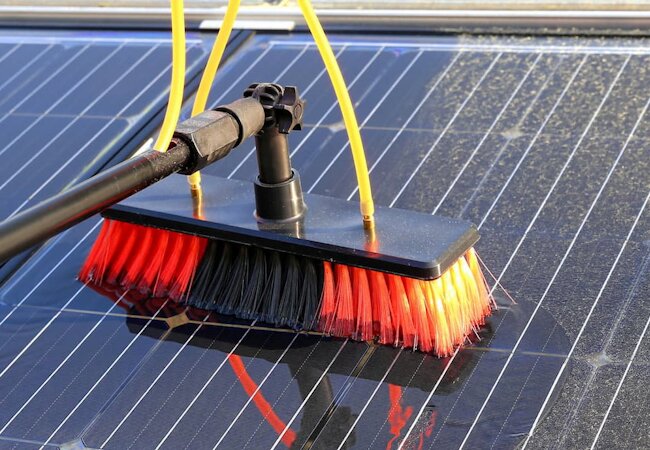
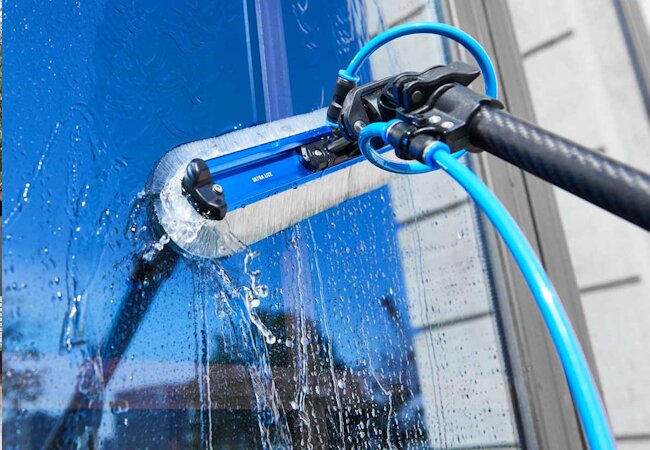
Remove dirt and grime to enhance clarity and appearance.
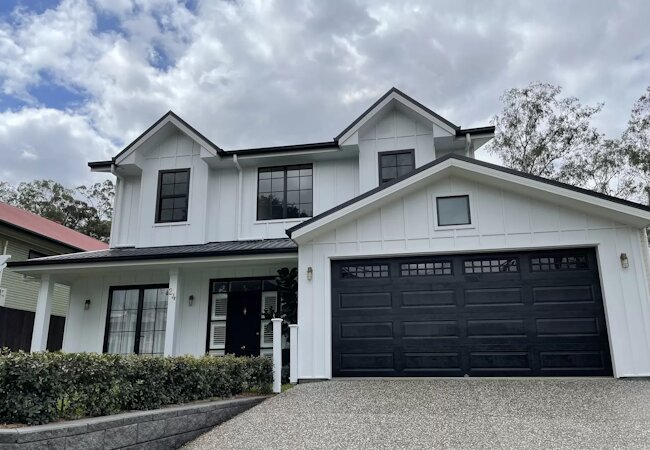
Boost curb appeal and elevate first impressions.

Transforming properties with eco-friendly products, high quality equipment and exceptional attention to detail.
With modern equipment and a focus on sustainability, we protect your property’s integrity while enhancing its curb appeal. Count on us for a reliable, thorough service every time. Driven by a commitment to quality, our team pays close attention to every detail, ensuring your property remains safe, clean and ready to impress.
We pride ourselves on our service and attention to detail and love hearing feedback from our valued customers
Common questions about moss, lichen and keeping your roof clear of growth.
Moss doesn't eat through tiles, but it keeps them wet. That constant damp can wear the surface of concrete tiles over time, and thick clumps can lift into tile laps and slow the way water runs off. Clearing it lets the roof dry out properly between rain.
Moss is a small green plant that forms soft cushions and holds water. Lichen is a fungus and an alga living together as a flat, crusty patch, often grey or orange. Lichen grips the tile face far more firmly, so it needs a treatment to release it.
Spores are always in the air, so no roof stays clear forever, especially in shade. After cleaning we apply an anti-mould and lichen treatment to slow regrowth, and trimming branches that hang over the roof helps as well.
High pressure at close range can strip tile glaze, erode concrete tile faces, drive water under the laps and loosen ridge pointing. It also means standing on a wet, slippery roof. A soft wash removes the growth with much less force on the surface.
The products we use are biodegradable and safe around gardens, pets and children. If your downpipes feed a rainwater tank, mention it when you book so it can be discussed before the job starts.
In Sydney the south-facing side of a roof gets the least direct sun, so it stays damp longest after rain and dew. Slopes shaded by trees, walls or a taller neighbour behave the same way. The growth simply follows the moisture.
Yes. As moss dries it breaks into clumps that wash into gutters, valleys and downpipes, where it mixes with leaves and can cause blockages and overflow. Booking a gutter clean alongside moss removal deals with what comes down.
Those dark vertical marks are usually algae growing along the paths rainwater takes down the roof. They show up on both tile and metal roofs, come off with a soft wash and are followed by a treatment to slow their return.
Yes. On corrugated and Colorbond roofs we use a soft wash or controlled pressure suited to the coating, so the growth comes away without harming the finish. The anti-mould and lichen treatment is applied afterwards.
As soon as you notice green or grey patches spreading, rather than waiting until they reach the gutters, because smaller growth is easier to lift. The work is done in dry weather so the roof is safe to access and the treatment can do its job.
Please don't. Scraping or wire brushing lichen pulls away the tile surface along with it, and walking on tiles can crack them. Leave it where it is and we will assess it during the inspection.
Yes. Ultimate Exterior Clean holds $10 million public liability insurance, and our team members are certified to work safely at heights.
No. If we can safely reach the roof, the work can go ahead while you are out, and the before-and-after photos show you exactly what was done.
Ultimate Exterior Clean removes roof moss, lichen, mould and algae for homes, strata buildings and commercial properties across Sydney, including the Eastern Suburbs, Inner West, North Shore and Northern Beaches. Concrete and terracotta tiles get the same inspection-first approach as corrugated and Colorbond metal roofs, with the method matched to the growth rather than one setting for every job. Treat growth once you see it spreading and before it reaches the gutters; dry weather makes the work safer and lets the treatment take effect. Our technicians are certified to work at heights, we carry $10 million public liability insurance, and the biodegradable products we use are safe around gardens, pets and children. Phone 1300 055 935 for a free roof moss removal quote.
Find your suburb below for local roof cleaning details, including the roof styles, tree cover and weather that shape how moss and lichen grow there.
Proudly serving Sydney with expert exterior cleaning.
MONDAY: 7:30 AM — 6:00 PM
TUESDAY: 7:30 AM — 6:00 PM
WEDNESDAY: 7:30 AM — 6:00 PM
THURSDAY: 7:30 AM — 6:00 PM
FRIDAY: 7:30 AM — 6:00 PM
SATURDAY: CLOSED
SUNDAY: CLOSED