Wahroonga properties come with a lot of ground to cover. Long curving driveways, sandstone steps and terracing through established gardens, and paths that run right around the house. Most of it sits under canopy, and most of it is older and softer than a contractor might assume.
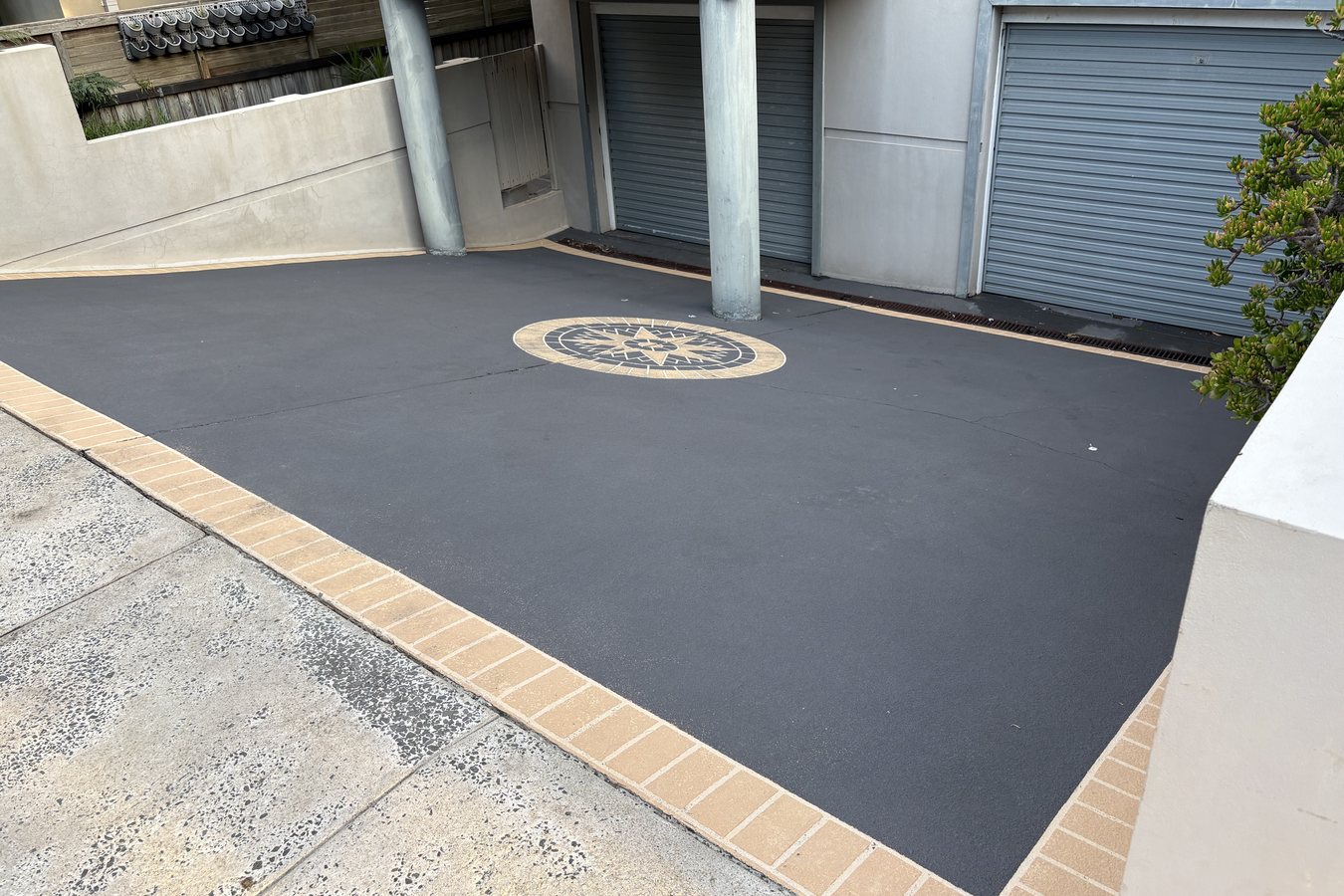
The scale and age of Wahroonga gardens is what shapes hard-surface work here.
These are large blocks with long driveways from the street, generous aprons and paths running the full perimeter, so there is simply more area than a standard suburban property. A great deal of it is also old. Sandstone was quarried locally and used freely for steps, retaining walls, garden edging and whole terraces, and on the Federation and Arts and Crafts houses that stonework is original. It is porous and soft, and high pressure erodes the weathered face that gives it colour, leaving permanent lance marks.
Tessellated tile turns up on verandahs and entry porches, and it lifts under aggressive pressure.
The staining is organic. Eucalypt and turpentine litter sitting wet on concrete leaches a brown tannin that penetrates rather than resting on top, and under this much canopy the shaded sections of a drive or a garden path hold moisture for days and grow a moss film that is genuinely slippery.
We set pressure by surface, drop right down for sandstone and tessellated tile, and manage runoff rather than letting it carry into the garden or the gully below.
Sandstone is the reason to care who cleans hard surfaces on a Wahroonga property, and the argument is entirely about what cannot be undone.
The weathered outer face of a sandstone step, wall or terrace is what gives it colour and character, and it took a century to form. High pressure removes it in seconds and leaves lance marks that no amount of subsequent care will hide. On original stonework attached to a heritage house, that is permanent damage to an element that cannot be replaced in kind.
Tessellated verandah tiling carries the same exposure, where pressure lifts tiles and strips the fine grout lines between them.
Against that, cleaning at the right pressure returns real value. Long driveways here carry tannin staining that most owners assume is permanent, and it generally is not once the organic pigment is treated first. The difference between that and resurfacing a forty-metre drive is a very large number.
The safety case matters too. Garden steps and shaded paths under this much canopy grow moss quickly, and on a large property those paths are the daily route to the front door.
Driveways, paths, patios and paving across Sydney, and how we set pressure by surface rather than by habit.
Proudly serving Sydney with expert exterior cleaning.
MONDAY: 7:30 AM — 6:00 PM
TUESDAY: 7:30 AM — 6:00 PM
WEDNESDAY: 7:30 AM — 6:00 PM
THURSDAY: 7:30 AM — 6:00 PM
FRIDAY: 7:30 AM — 6:00 PM
SATURDAY: CLOSED
SUNDAY: CLOSED