The Federation houses through Wahroonga were built with complicated roofs, and complicated roofs mean a lot of gutter. Deep gables, dormers and long internal valleys all draining through a handful of outlets, under mature trees that drop onto them all year. There is a great deal more to clear here than a modern house.
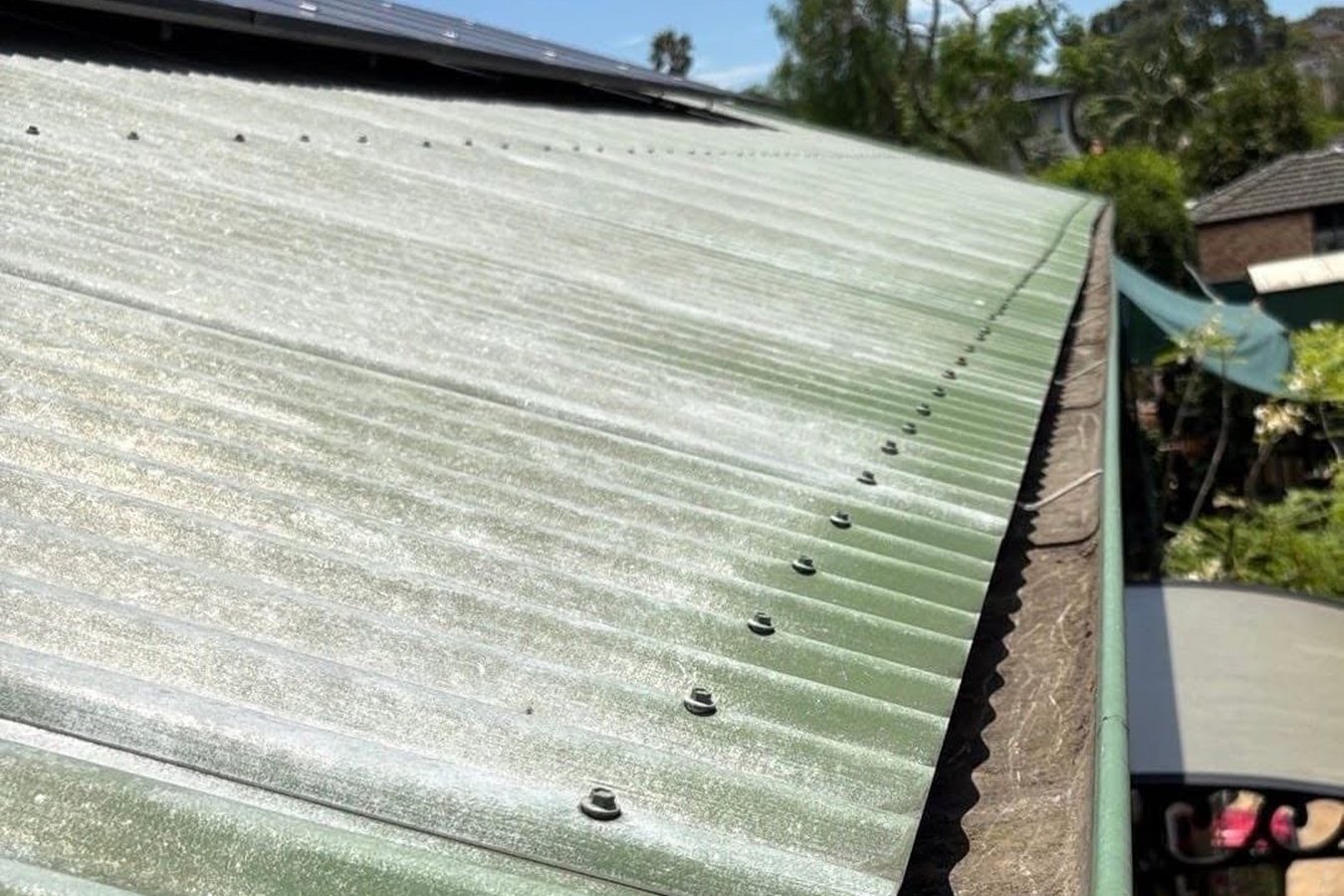
Wahroonga's guttering is defined by the age and complexity of the roofs above it.
Federation and Arts and Crafts houses have multiple gables, dormers and long internal valleys, and those valleys drain to a small number of outlets rather than spilling over an open edge. A blocked valley on a house like this does not overflow onto the garden. It backs up under the tiles and into a roof cavity, and the first sign is usually a stain on an original plaster ceiling.
The valley irons and box gutter linings themselves are often original, which means they are a century into a service life and already thin. Sitting them under a permanent load of wet leaf accelerates the corrosion that finishes them.
What lands on them is a mix that few suburbs have. The large gardens here hold both mature exotic planting and remnant Blue Gum High Forest, so there is a deciduous autumn drop layered on top of a continuous eucalypt leaf and bark fall.
Parts of the suburb sit in a bushfire-prone area, so dry litter packed in a gutter is fuel as well as a blockage. We vacuum the full run and the valleys from ground level, which matters on two-storey houses with original fascia you do not want a ladder against.
On a Wahroonga heritage roof, a gutter problem is rarely visible before it becomes an interior problem, and that is the whole argument for staying ahead of it.
Internal valleys and box gutters back water under the tiles rather than over an edge, so the damage happens out of sight in the ceiling framing and insulation. By the time a stain appears on a lath and plaster ceiling with original cornice work, you are into specialist restoration rather than a patch and paint.
The drainage components are the second cost. Original valley irons under a permanent wet load corrode from the inside, and relining a valley on a complex heritage roof is roofing work priced accordingly. Clearing on a schedule is what keeps them in service.
There is a fire dimension in the bushfire-prone parts of the suburb, where dry litter in a gutter is the most common ignition point in an ember attack.
And because we work from the ground, nothing rests against original painted fascia, decorative bargeboards or the established garden beds these houses are set in.
Federation and Arts and Crafts roofs have long internal valleys draining to only a handful of outlets. When a valley blocks, water backs up under the tiles and into the roof cavity instead of spilling onto the garden. Often the first sign is a stain on an original lath and plaster ceiling, and by then the repair is specialist restoration work.
There is no single quiet season. The large gardens here combine mature exotic planting, which drops its leaves in autumn, with remnant Blue Gum High Forest that sheds eucalypt leaf and bark all year. A clean after the autumn drop catches the deciduous layer, while regular visits through the rest of the year keep eucalypt litter out of the valleys.
Leaning a ladder on old painted timber is a risk worth avoiding, which is one reason we work from the ground. High-reach gutter vacuums clear the full run and the valleys on two-storey Wahroonga homes without anything resting against original fascia, decorative bargeboards or the established garden beds these houses are set in.
Every gutter clean includes a roof inspection report as well as before-and-after photos. On a Wahroonga roof, valley irons and box gutter linings are often a century old and already thin, and a permanent load of wet leaf speeds up their corrosion. The report gives you a regular look at their condition, so you can plan for them rather than discover them through a ceiling.
How vacuum gutter clearing works, what we check while we are there, and what it costs across Sydney.
Proudly serving Sydney with expert exterior cleaning.
MONDAY: 7:30 AM — 6:00 PM
TUESDAY: 7:30 AM — 6:00 PM
WEDNESDAY: 7:30 AM — 6:00 PM
THURSDAY: 7:30 AM — 6:00 PM
FRIDAY: 7:30 AM — 6:00 PM
SATURDAY: CLOSED
SUNDAY: CLOSED