Everything in Manly gets sand walked across it. It comes off the beach on feet and tyres, grinds into the texture of concrete and greys whole surfaces, and it collects in the joints of the public stairs and shared paths that link these steep streets together. Add salt and shade and you have a slip problem as well as a dirty one.
Manly's hard surfaces deal with a combination that is unusual even for a beach suburb.
Beach sand is the constant. It is carried up from the ocean and harbour beaches on feet, towels and tyres, and it works into the texture of broom-finish concrete and the joints of paving, where it grinds and greys the surface. Because it is salt-laden it also holds moisture rather than drying out, so the surface stays damp longer than it should.
The topography does the rest. Manly is steep and narrow, and a great many properties are connected to the street by flights of steps, shared stairs between neighbours, or a path running down the side of the block. Those are shaded, permanently damp and grow an algae film that is genuinely dangerous on a stair.
Sandstone is everywhere as steps, retaining walls and garden edging, much of it original to Federation and interwar houses. It is soft, and pressure erodes the weathered face and leaves permanent marks.
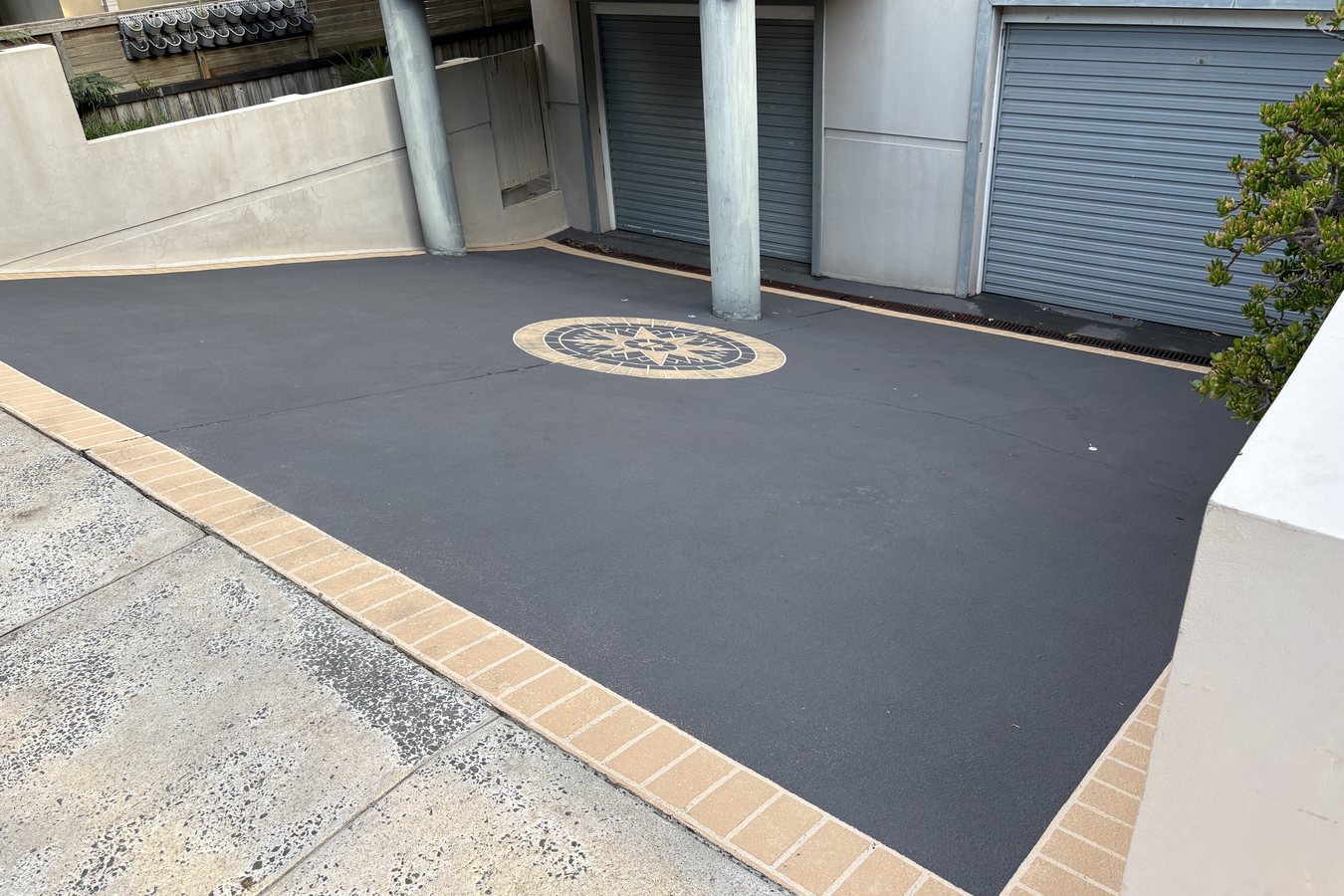
Driveways are often short, steep and shared. We set pressure by surface, go low on sandstone and old paving, and keep wash water out of a stormwater system that discharges very close to the beach.
The most immediate return on this work in Manly is grip, not appearance.
So many properties here are reached by steps rather than a level path, and a flight of stairs carrying an algae film in winter is the single most hazardous surface on the property. Where those stairs are shared between neighbours or form part of common property, a fall becomes a question of whose maintenance responsibility it was, and that is an expensive conversation.
Surface life is the second argument, and it is specific to a sand-and-salt environment. Sand ground into concrete acts as an abrasive underfoot, and the salt it carries holds moisture in the surface layer, so concrete deteriorates at the face faster here than it does inland. Sandstone is worse again, because once the weathered face begins breaking down the process does not stop.
Presentation still counts in a suburb where property is valued on how it presents to the street and to the water.
Because so much of this drains almost directly to the beach, containing wash water rather than letting it run to stormwater is part of doing the job properly here.
Over time, yes. Sand tracked up from the ocean and harbour beaches on feet, towels and tyres works into broom-finish concrete and paving joints, where it acts as an abrasive underfoot. The salt it carries keeps the surface damp, and damp concrete breaks down at the face faster here than it does inland. Regular cleaning removes that grit.
Yes. Many Manly properties reach the street by shared stairs or a path down the side of the block, and those flights stay shaded and damp, growing an algae film that is dangerous on a tread. It is worth agreeing the clean with everyone who uses them, since responsibility for a fall on shared stairs can become a contested question.
Wash water is managed and kept out of the stormwater system as part of the job, because so much of Manly drains almost directly to the beach. The cleaning products we use are biodegradable and eco-friendly, and they are safe around gardens, pets and children.
Aim to clean them before the cooler months, when shaded stairs and side paths stay damp for longest and the algae film establishes. Salt-laden sand keeps these surfaces wet longer than they should be, so keep an eye on stairs that turn green quickly and book another clean when they do. Sandstone treads are done at low pressure.
Driveways, paths, patios and paving across Sydney, and how we set pressure by surface rather than by habit.
Proudly serving Sydney with expert exterior cleaning.
MONDAY: 7:30 AM — 6:00 PM
TUESDAY: 7:30 AM — 6:00 PM
WEDNESDAY: 7:30 AM — 6:00 PM
THURSDAY: 7:30 AM — 6:00 PM
FRIDAY: 7:30 AM — 6:00 PM
SATURDAY: CLOSED
SUNDAY: CLOSED