Ashfield's older houses were largely built to show off their brickwork. Council's heritage statements single out unpainted face brick on Federation and inter-war homes, roughcast stucco and timber shingles on their street-facing gables, and rendered brick on Victorian houses. House washing in this suburb has to respect all three. A soft wash relies on cleaning solutions rather than force, so mould, mildew and grime come away while mortar, paint and old render stay where they belong.
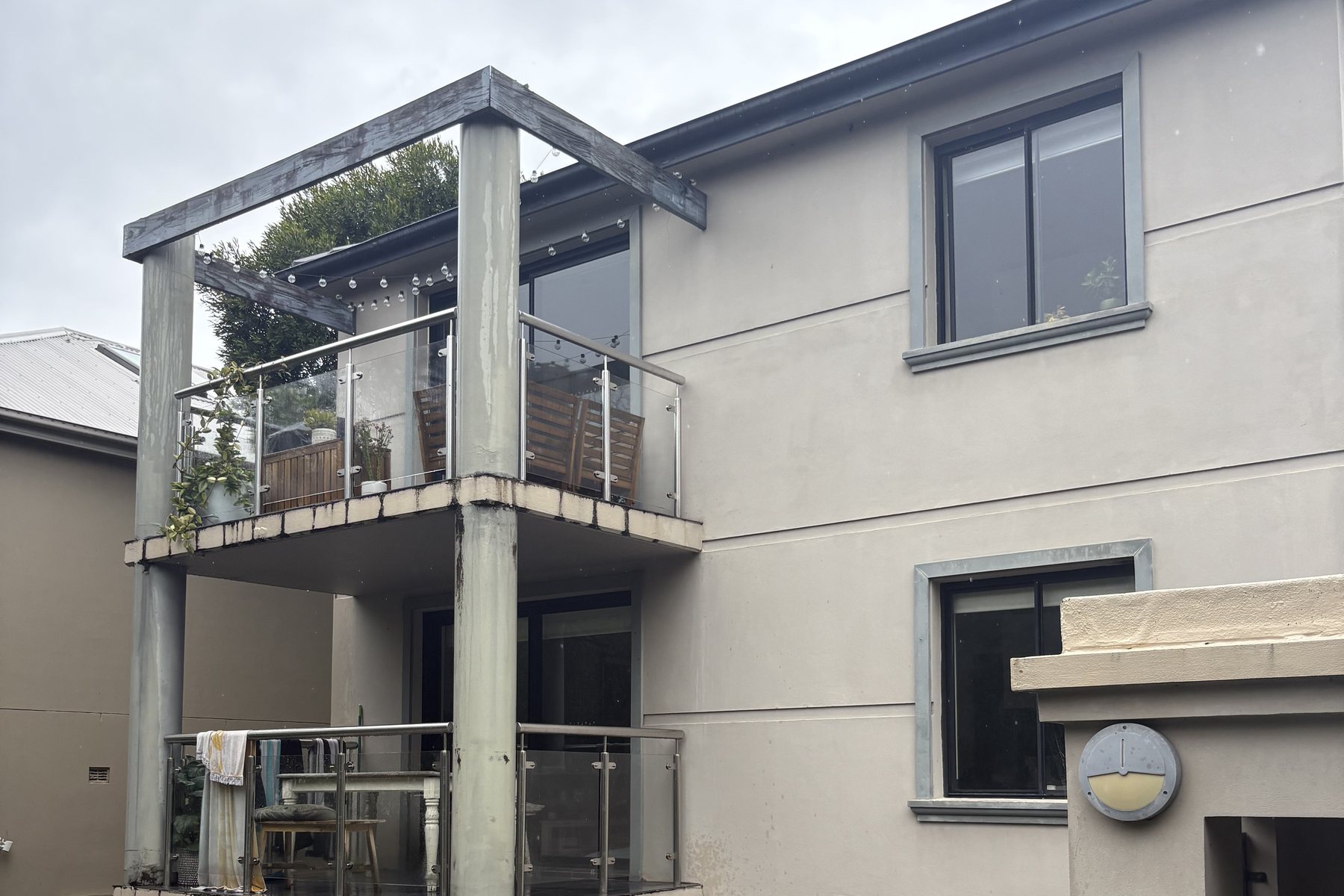
The Eccles Estate, Service Avenue and Rose Street conservation areas are lined with single-storey face brick houses dating from around 1900 to the 1940s. Council's statements list cement rendering of that brickwork as an unsympathetic change, so the original brick face is something owners are expected to keep. Blasting a century-old wall is the quickest way to open up its mortar joints, which is why the work is done at low pressure with the right solution.
Gable ends bring more variety. Houses in these streets often carry timber shingles, roughcast stucco or imitation half-timbering facing the street, and some houses in the Service Avenue area have roughcast on the upper part of their walls. Textured render traps dirt in its hollows, and shingles can be lifted by a careless jet.
Weatherboard turns up as well, from the Victorian Rustic Gothic house in John Street to a Federation cottage in Hanks Street, and painted boards of that age need the same light touch.
Exposure is the last factor. Parramatta Road and Liverpool Road both carry heavy traffic through Ashfield, and the Main Suburban railway runs through Ashfield station. Homes along those corridors live beside constant exhaust, and soot film is one of the deposits a soft wash is designed to lift, along with the mould and mildew that settle on the shaded side of any brick house.
A gentle wash does more than improve appearance. Mould and mildew left on a wall keep it damp, and over time that moisture works on paint, timber and joints. Clearing the growth back gives every surface a chance to dry properly between rain.
For owners in conservation areas there is a practical upside. Because council favours original face brick, cleaning it well is a better answer to stained walls than painting or rendering over them. A soft wash lets the colour of the brick and the texture of a roughcast gable show again.
Eaves and fascias are part of the job, so the whole frontage brightens rather than just the walls. On painted homes, washing before repainting gives the new coat a clean base, and on a recently painted house regular washing helps the finish keep its colour.
Strata buildings gain in a different way. Flats make up most of Ashfield's homes, and a building-wide wash refreshes the entire facade for every owner at once, with before-and-after photos to show the committee what was done.
The products are biodegradable and safe around gardens, pets and children, which matters where small front gardens sit right against the walls being washed.
Soft washing works at low pressure and relies on specialised solutions to break down mould, algae and grime, so it does not need force to clean a textured surface. That makes it a good match for the roughcast stucco, timber shingles and imitation half-timbering found on many Federation and inter-war gables around Ashfield.
Yes. Soot film and grime are among the things soft washing is designed to lift, along with mould and mildew. Strata buildings are covered, and the low-pressure method suits render, painted brick and face brick alike. The quote will take into account the size of the building and what has built up on its walls.
In Ashfield's conservation areas, council lists cement rendering of face brickwork as an unsympathetic change, so cleaning the original brick is usually the more appropriate first step. A soft wash lifts mould and grime while leaving brick and mortar intact. Any plan to alter the facade itself is worth raising with council first.
The cleaning products are biodegradable and eco-friendly, and they are safe around gardens, pets and children. Many Ashfield houses sit behind small front gardens edged by low brick or picket fences, so the planting is often only a step or two from the wall being washed, and that matters.
Why low pressure is the right method for render, painted brick and weatherboard, and what the process involves.
Proudly serving Sydney with expert exterior cleaning.
MONDAY: 7:30 AM — 6:00 PM
TUESDAY: 7:30 AM — 6:00 PM
WEDNESDAY: 7:30 AM — 6:00 PM
THURSDAY: 7:30 AM — 6:00 PM
FRIDAY: 7:30 AM — 6:00 PM
SATURDAY: CLOSED
SUNDAY: CLOSED