Ashfield's hard surfaces are modest in size but they work hard. In conservation areas such as Rose Street and Service Avenue, council describes narrow driveways running to a garage at the rear or a carport at the side, and the suburb's many flat blocks have shared paths and driveways used by a whole building every day. Pressure cleaning restores those surfaces when moss, oil and grime build up, with the pressure set to suit concrete, pavers or brick.
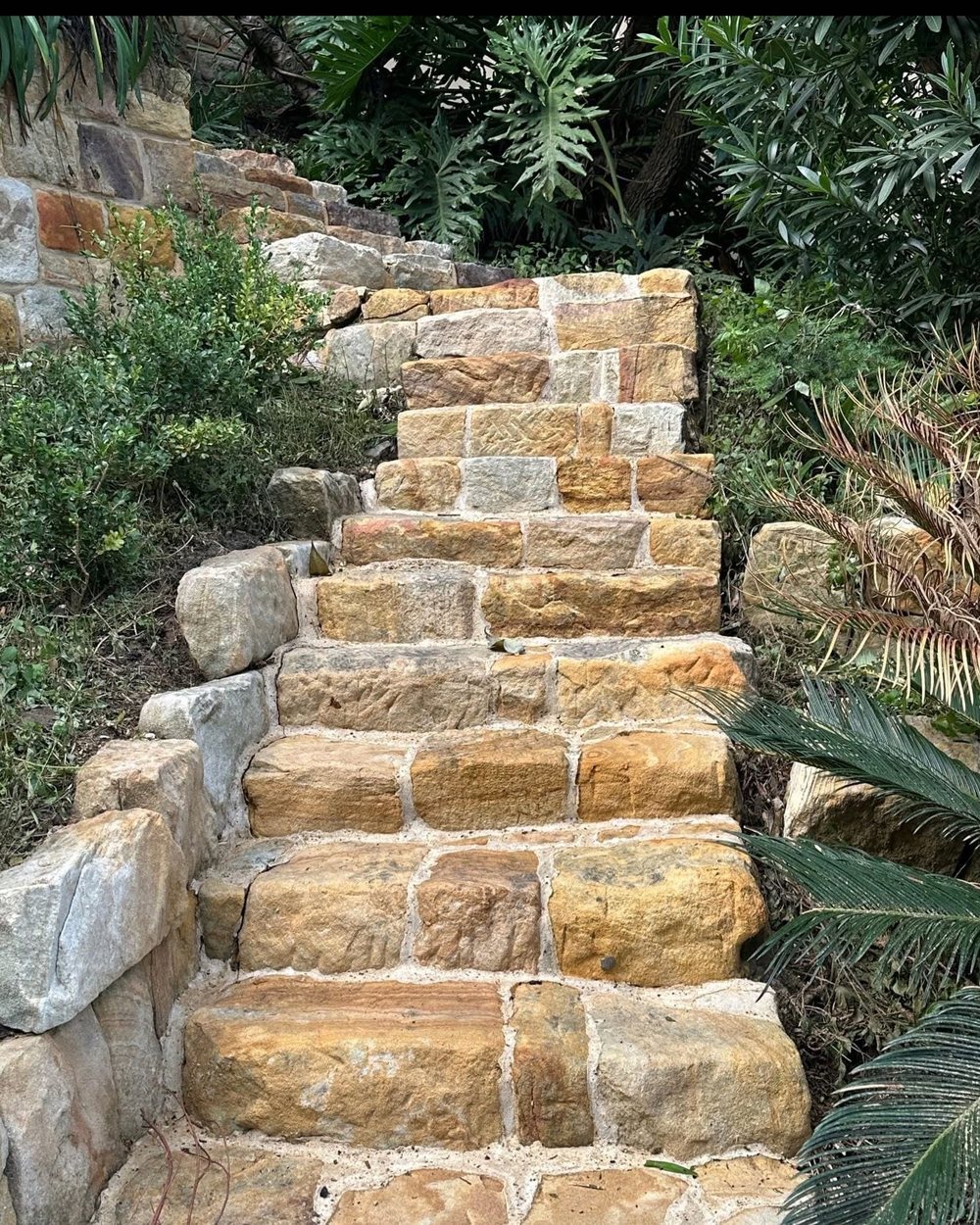
A long, slim strip of concrete squeezed between two houses gets little direct sun, and that is where moss and algae take hold. Ashfield's Federation and inter-war streets have plenty of these side driveways, and once they turn green they become slippery underfoot after rain.
Brush box adds its own problem along the footpath side. Its woody seed capsules are noted as a slip hazard on hard surfaces under the trees, and leaves left lying on a path hold moisture against it. Hampden Street and King Street, where brush box was planted in the carriageway before 1943, are obvious examples, but many older streets have the same species.
Flats change the scale of the job. With about seven in ten Ashfield dwellings being flats, shared driveways, entry paths and courtyards carry foot traffic and cars from an entire building, and oil drips and tyre marks collect faster on a surface that many vehicles use.
Low brick front fences, one of the original fence types council lists for Federation and inter-war houses, sit right beside the driveway and path and pick up the same grime. Brick needs a gentler setting than a concrete slab, so each surface is assessed and the pressure matched to the material rather than one setting being used across the whole property.
The first gain is grip. Moss, algae and slimy build-up on a path or driveway make it treacherous after rain, and clearing them cuts the risk of a fall for residents, visitors and anyone delivering to the door. On a strata property that is a shared responsibility, so a clean common area is part of looking after everyone who lives there.
Oil stains and tyre marks come next. They make a driveway look neglected long before the concrete itself has a problem, and lifting them freshens the first thing visitors notice. For landlords preparing a property for new tenants, a clean driveway and entry path is a quick way to improve how a home presents.
If you plan to seal pavers or concrete, pressure cleaning is the right preparation, because sealer needs a clean surface to bond to. UEC prepares the surface but does not do the sealing, so your preferred sealing contractor can take over once it has dried.
Quotes are based on area, surface and how much build-up there is, and before-and-after photos come with every job. The products used are biodegradable, which counts in a suburb where Iron Cove Creek, which once set the line of Lucy Street, now runs as a stormwater channel.
Yes. Narrow side driveways are a familiar feature of Ashfield's Federation and inter-war streets, and they can be cleaned along their full length. Shaded strips like these tend to carry moss and algae, which pressure cleaning lifts. Mention any gates, steps or tight access points when you ask for a quote so the job can be planned properly.
Pressure cleaning lifts moss, algae and built-up grime from paths and paving, including the slick layer that forms where leaf litter sits through wet weather. Clearing it improves footing on the surface. Fresh leaf and capsule fall from a street tree will keep arriving, though, so regular sweeping is still the way to keep on top of it.
No. Sealing is not part of the service, but pressure cleaning is the right preparation if you plan to seal concrete or pavers afterwards. A clean surface gives the sealer the best chance of bonding, so it makes sense to book the clean first and arrange a sealing contractor once the surface has fully dried.
Quotes are based on the area to be cleaned, the type of surface and how much build-up there is. A short front path on a bungalow and the shared driveway of a strata block are very different jobs, so each quote reflects what is actually there. Quotes are free, and the office number is 1300 055 935.
Driveways, paths, patios and paving across Sydney, and how we set pressure by surface rather than by habit.
Proudly serving Sydney with expert exterior cleaning.
MONDAY: 7:30 AM — 6:00 PM
TUESDAY: 7:30 AM — 6:00 PM
WEDNESDAY: 7:30 AM — 6:00 PM
THURSDAY: 7:30 AM — 6:00 PM
FRIDAY: 7:30 AM — 6:00 PM
SATURDAY: CLOSED
SUNDAY: CLOSED