Marrickville hard surfaces are small, awkward and heavily used. Side passages a metre wide, brick-paved courtyards, and rear hardstand where a car has been parked over a slab for thirty years. There is not much square metreage here, but almost all of it is either a slip risk or the first thing a visitor walks across.
Terraces and semis built to the boundary leave very particular kinds of hard surface, and each has its own problem.
The side passage is the classic one. It is narrow, walled on both sides, sees no direct sun and stays damp for most of winter, so it grows an algae film that is genuinely slippery. It is also the route people take with bins, bikes and shopping, which is what makes it a safety issue rather than an aesthetic one.
Rear courtyards are usually brick paving or old plain slab, often laid decades ago and settled unevenly so water sits rather than draining. Moss establishes in the joints between pavers, and old brick paving is soft enough that aggressive pressure blows the face off it.
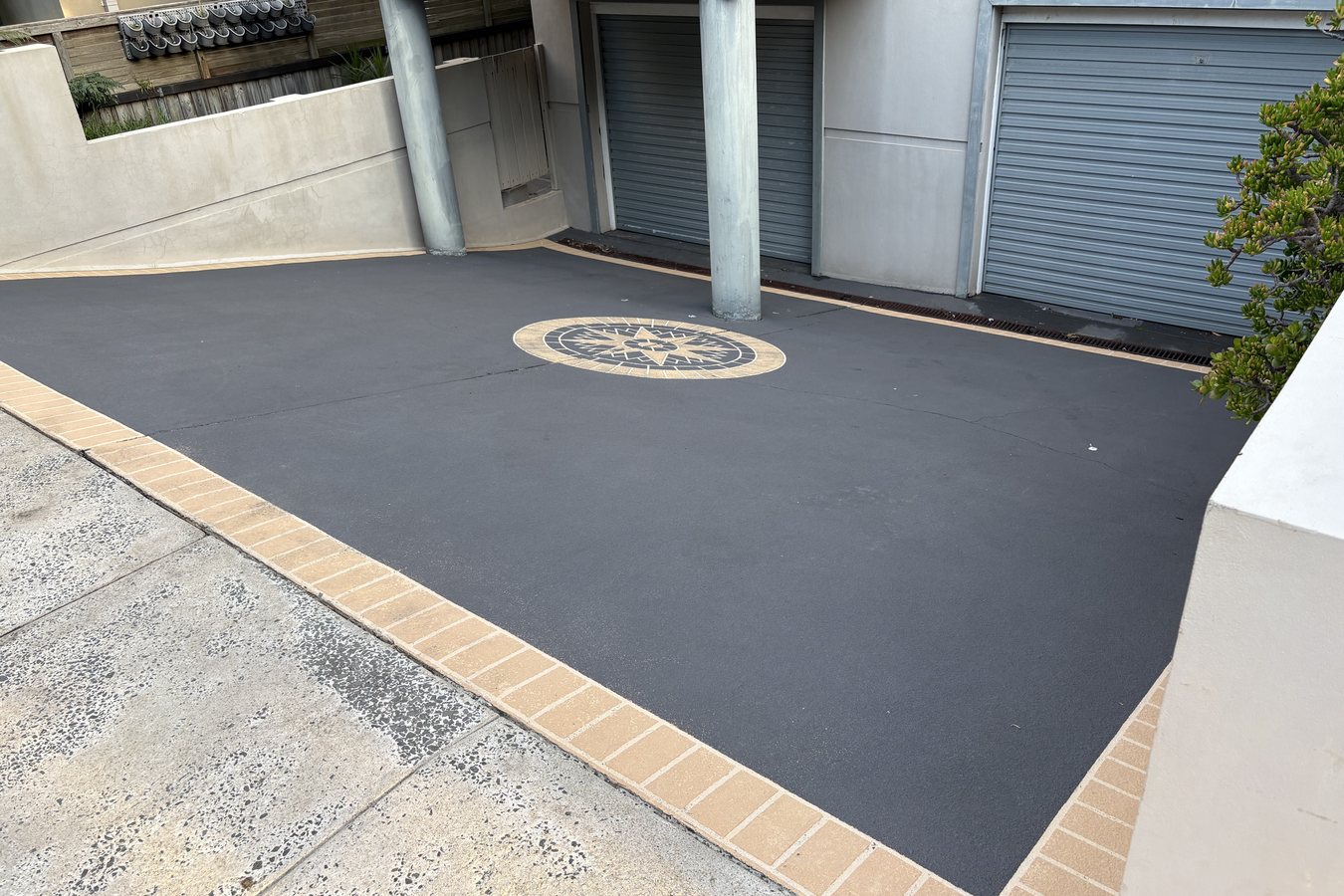
Rear hardstand and lane access add oil and tyre marks, and the fine particulate that settles across this suburb from the flight path and the main roads greys everything a shade darker than it should be. Plane trees along the streets contribute the usual autumn tannin.
Access is genuinely tight. We run hose from the truck rather than bringing equipment through a house, and we drop pressure right down for old brick paving and any original sandstone.
The return on cleaning here is disproportionate to the area involved, because the surfaces that matter most are the ones people actually walk on.
A side passage carrying an algae film is a genuine hazard, and it is the path used every day with hands full. On a rented property, and Marrickville has a great many, a fall in that passage raises questions about the owner's maintenance obligations that are far more expensive to answer than a clean would have been.
Preserving the surfaces is the second argument. Old brick paving and original sandstone in these courtyards is soft, and a contractor running high pressure over it takes the face off the brick permanently. Replacing settled heritage brick paving to match is not a simple job.
There is a drainage benefit as well. Courtyards that have settled unevenly hold water against the base of a wall on a property with no setback, and clearing the moss and debris out of the paving joints lets what drainage exists actually work.
Presentation is the last of it, and on a terrace the rear courtyard is effectively the only outdoor room there is.
Driveways, paths, patios and paving across Sydney, and how we set pressure by surface rather than by habit.
Proudly serving Sydney with expert exterior cleaning.
MONDAY: 7:30 AM — 6:00 PM
TUESDAY: 7:30 AM — 6:00 PM
WEDNESDAY: 7:30 AM — 6:00 PM
THURSDAY: 7:30 AM — 6:00 PM
FRIDAY: 7:30 AM — 6:00 PM
SATURDAY: CLOSED
SUNDAY: CLOSED