If your windows in Randwick are covered in sticky spots that smear when you wipe them, that is not dirt. Figs host scale insects, the insects drop honeydew, and sooty mould grows on top of it. It has to be dissolved rather than rubbed, which is why household cleaning usually makes it look worse.
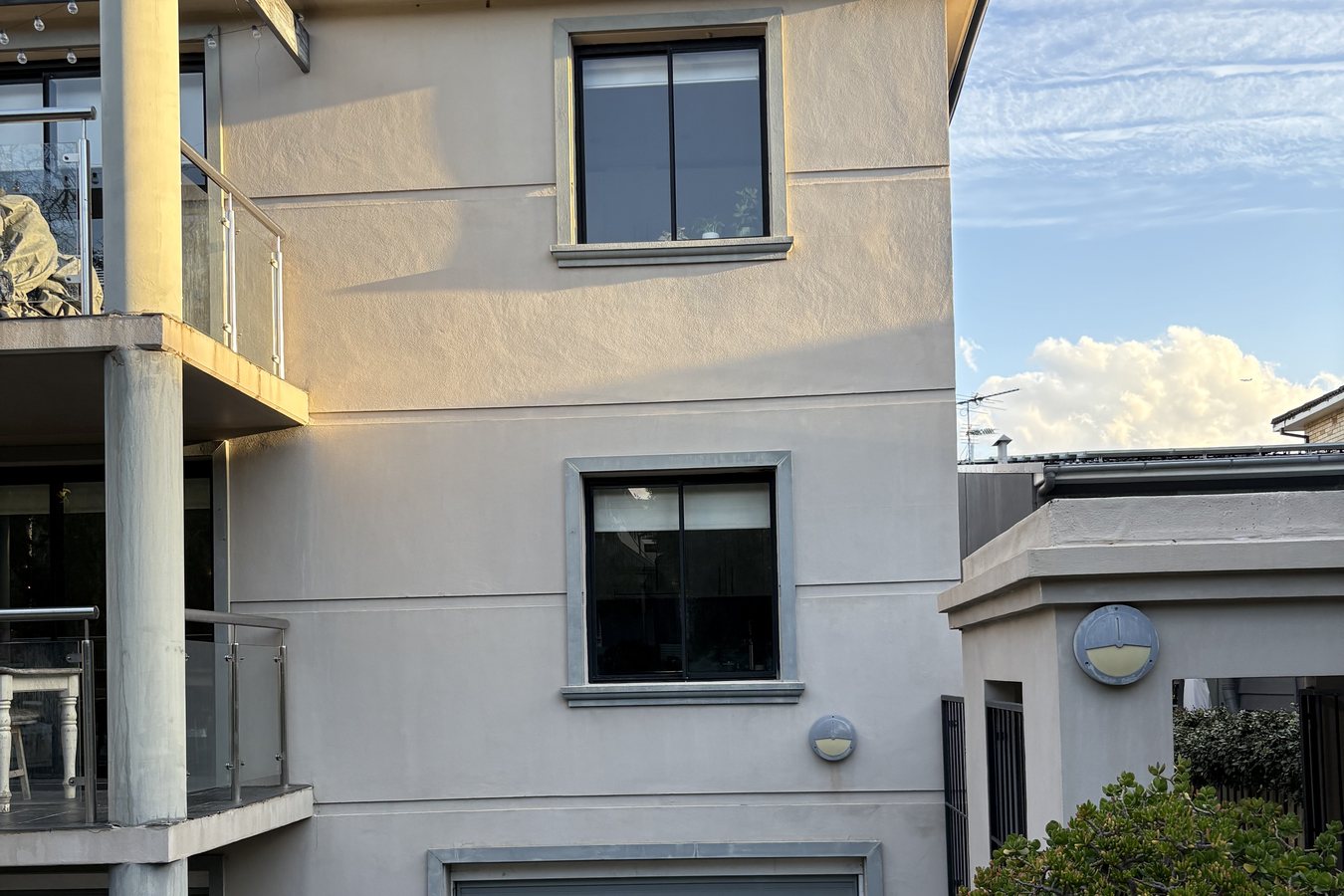
Randwick's tree canopy is the reason window cleaning here is different from the rest of the Eastern Suburbs.
Moreton Bay figs and their relatives host scale insects, and those insects excrete honeydew that drifts down onto everything below, glass included. Sooty mould then grows on the honeydew, producing the dark, tacky spotting that owners recognise and cannot shift. It is sticky rather than dusty, so dry-wiping smears it across the pane and leaves it looking worse in direct sun than it did beforehand.
Bird and bat fouling adds to it, given the suburb sits on the corridor between the Centennial Park reserves and the coast, and those marks dry hard onto glass.
The glazing varies with the housing. The Victorian and Federation terraces and semis near The Spot have timber sash windows with painted glazing bars and putty lines that hold dirt in the recess and do not respond well to scraping. The post-war homes and the newer townhouses toward the university have aluminium frames and larger fixed panes, often two storeys up.
Water-fed poles reach the upper storeys from the ground without a ladder against a heritage sill, and the purified water dissolves the honeydew and rinses clear with no detergent residue and no mineral spotting.
Most Randwick owners have tried to clean their own windows and been frustrated by the result. Understanding why is the useful part.
Honeydew and sooty mould are sticky and organic. Wiping them with a cloth spreads the residue rather than removing it, and any detergent film left behind attracts the next round within days. They have to be dissolved and rinsed, which is what purified water and the right dwell time do and what a bucket and a squeegee cannot.
Tap water compounds the problem. Sydney tap water carries dissolved minerals, and letting it dry on glass leaves a fine deposit that then holds the next lot of honeydew and dust. Every clean done that way makes the following one slightly harder. Purified water carries nothing, so the glass dries genuinely clear and stays clear longer.
There is a joinery benefit on the period homes. Timber sash windows have putty lines holding the glass in place, and scraping at dirt in the recess damages paint and putty that is doing a structural job. Water and dwell time avoid that entirely.
Reaching upper-storey glass from the ground also keeps ladders off original sills and out of established garden beds.
Water-fed poles, purified water and spot-free glass up to three storeys, without a ladder against your gutters.
Proudly serving Sydney with expert exterior cleaning.
MONDAY: 7:30 AM — 6:00 PM
TUESDAY: 7:30 AM — 6:00 PM
WEDNESDAY: 7:30 AM — 6:00 PM
THURSDAY: 7:30 AM — 6:00 PM
FRIDAY: 7:30 AM — 6:00 PM
SATURDAY: CLOSED
SUNDAY: CLOSED