Mona Vale's hard surfaces do several quite different jobs. There are forecourts in the industrial precinct around Darley Street, courtyards in the town centre, side paths that collect beach sand and driveways on low ground towards the bay. Pressure washing, or pressure cleaning, here means matching the water force to the surface and the kind of build-up, whether that is oil and tyre marks or a slippery coat of moss and algae.
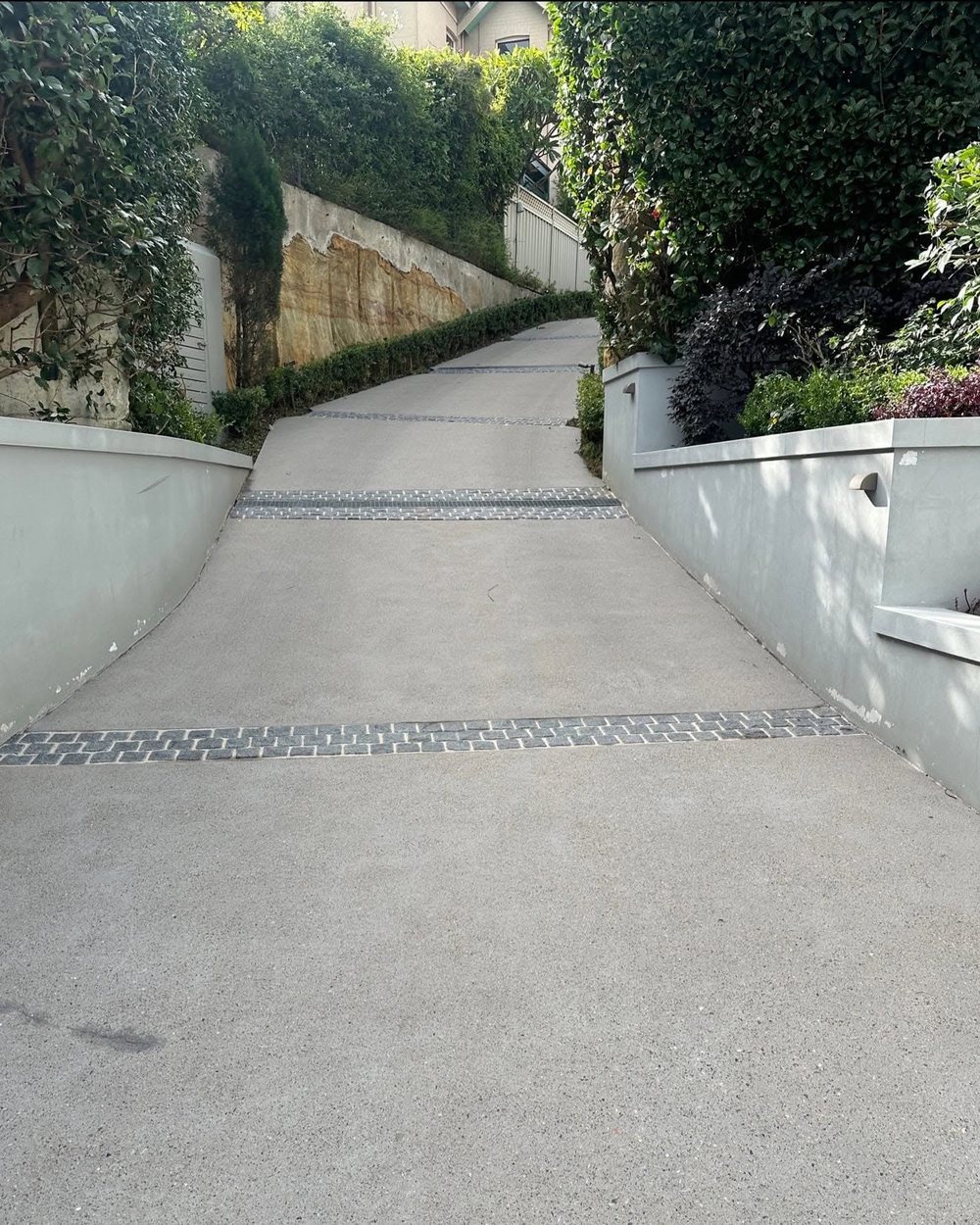
Commercial listings describe Darley Street as part of the Mona Vale Industrial precinct, with light industrial zoning on several sites. Forecourts and driveways in an area like this take vehicle traffic day after day, so oil stains and tyre marks are the usual targets, and the way a stain has aged affects how far it will lift.
The town centre brings a different set of surfaces. Retail and dining cluster around Pittwater Road, and apartment projects such as the 82-unit development on Darley Street West are adding more shared paths, entries and courtyards. Foot traffic grinds in dirt where people walk, while the corners nobody uses can turn green.
Down near Mona Vale Beach and Basin Beach, the mix includes sand. Dunes here are managed partly to hold windblown sand in place, but people and weather still carry it home, and grit caught in paver joints can trap moisture and grime. Pool surrounds near the water deserve a look for the same reason.
Towards the bay, some land sits low and was once swamp. Shaded concrete and pavers on ground like this can hold moisture, which encourages moss and algae. Sandstone and brick get lower, more careful settings than plain concrete, and the setting is chosen before the wand comes out.
Green paths are a slip risk before they are an eyesore. Clearing moss and algae from steps, side passages and pool surrounds gives better footing to anyone using them, which is reason enough for a household with young kids or older relatives. For an owners corporation, it also helps keep common walkways in good order.
For a business, the front of the property is part of the first impression. A forecourt without years of oil and tyre marks reads as a well-run site, whether customers are visiting a workshop or a warehouse. Before-and-after photos come with each job, so a tenant or owner has a record of the condition of the surface after cleaning.
Pressure cleaning is also the usual first step before sealing. UEC does not seal surfaces, but a clean base gives your sealing contractor something to work with, and it saves you paying them for preparation that has already been done.
Each job is quoted on area, surface and build-up, so a small courtyard is not priced like an industrial yard. The work is fully insured with $10 million public liability, which a strata manager or commercial landlord may need to see on paper.
Yes. Commercial properties are part of the service, and oil stains and tyre marks are among the things pressure cleaning targets. Older stains that have soaked into concrete can be harder to shift, so the surface is looked at when quoting. Call 1300 055 935 to arrange a free quote for your site.
It should not when the pressure is matched to the surface, which is why settings are chosen for each material instead of one strength for the whole job. Softer stone such as sandstone gets a more careful approach than plain concrete. Point out any fragile or damaged areas when requesting your quote.
No, sealing is not something UEC does. Pressure cleaning does prepare a surface well for it, removing moss, algae and grime so a sealer can be applied to a clean base. If sealing is part of your plan, arrange your own contractor and let them know the surface has been cleaned.
Area, surface type and the amount of build-up set the figure, so there is no flat rate for the suburb. A sandy beach path, a mossy side passage and an oil-marked forecourt are all different jobs. To get a free figure for your own surfaces, phone 1300 055 935.
Driveways, paths, patios and paving across Sydney, and how we set pressure by surface rather than by habit.
Proudly serving Sydney with expert exterior cleaning.
MONDAY: 7:30 AM — 6:00 PM
TUESDAY: 7:30 AM — 6:00 PM
WEDNESDAY: 7:30 AM — 6:00 PM
THURSDAY: 7:30 AM — 6:00 PM
FRIDAY: 7:30 AM — 6:00 PM
SATURDAY: CLOSED
SUNDAY: CLOSED