House washing in Bondi is more often building washing. With most homes in the suburb being flats, the walls being cleaned are frequently a shared facade of dark face brick or stucco, owned by a whole strata scheme and covered by council guidance on Inter-War buildings. Soft washing suits that kind of wall: low pressure and specialised solutions lift mould, algae and grime without scouring the surface that gives the building its character.
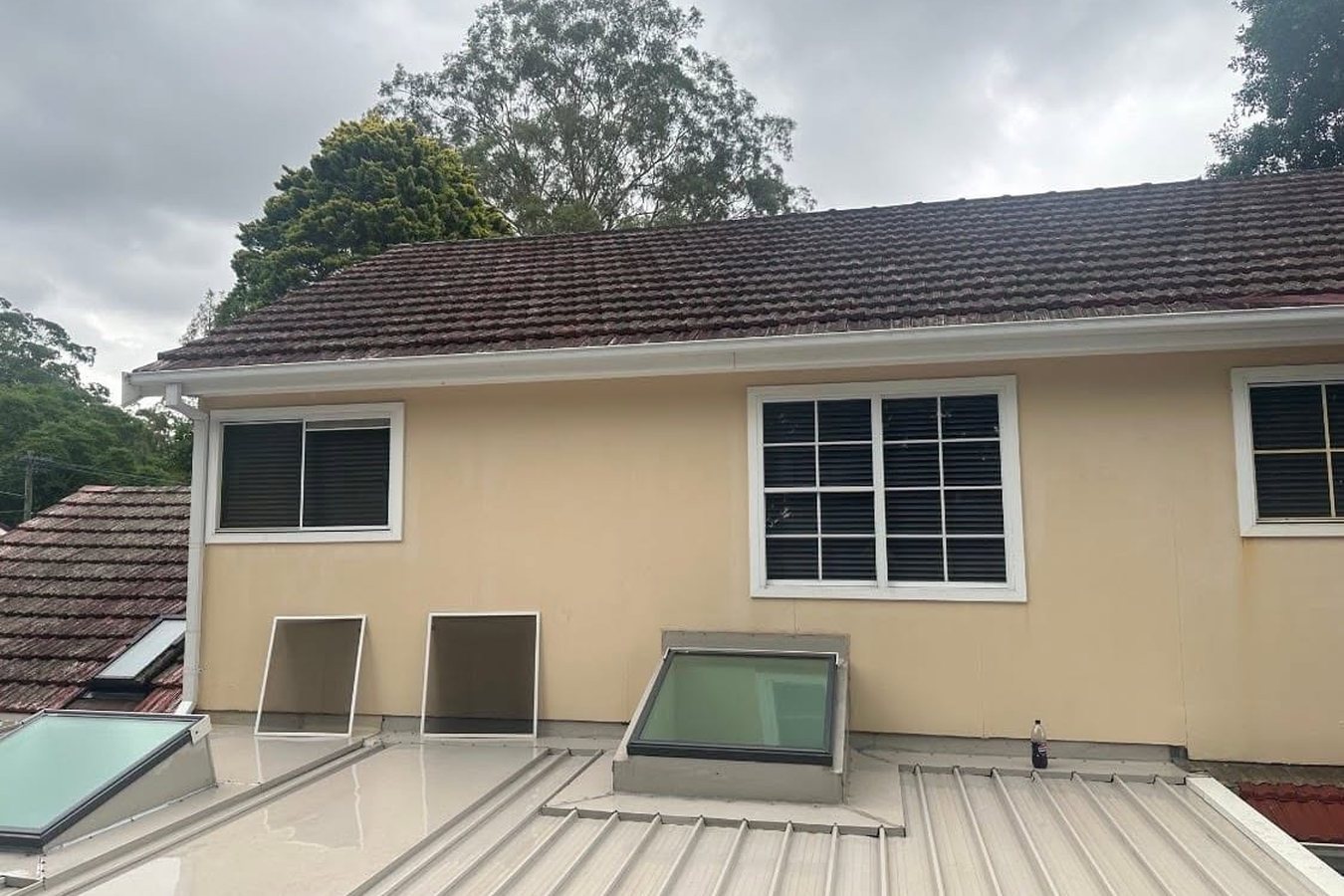
Bondi's walls come in a handful of distinct finishes. Waverley Council's Inter-War guidelines describe the utilitarian and bungalow flats, the largest group of the era, with dark face-brick walls, while Spanish Mission buildings are finished in stucco. Along Bondi Road itself, Wikipedia describes Victorian and Federation shops with Arts and Crafts influence, and a row of Victorian terraces on the north side with wrought-iron balconies.
Each of those dirties differently. Face brick holds grime in its texture and in the mortar joints, so it can look dull and grey long before anyone notices mould. Painted render and stucco show green and black growth plainly, especially low on the wall, and an inspection firm working in Bondi points to damp in rendered brick at the ground-floor perimeter of interwar semis.
Then there is the road. Bondi Road is a four-lane route carrying buses between the Junction and the beach, and travel guides warn of its heavy traffic. The shopfronts and the dwellings above them sit right at the kerb, collecting a film of soot and road grime.
Salt is the background to all of it. Council's street tree masterplan notes salt-laden onshore winds across Bondi's coastal slopes, and that film helps dirt stick to every surface.
Waverley Council's fact sheets for Inter-War flats warn against external materials and finishes that do not complement the original building. A soft wash works with that advice: it cleans the existing face brick or render rather than covering it, and low pressure means mortar joints and old paint are left where they are.
For a strata scheme, washing first can also change the conversation about painting. A facade that looks tired is not always one that needs a new coat. Removing mould, algae and soot sometimes shows that the paint underneath is sound, and when repainting is genuinely due, a clean wall is the right starting point for the painter.
Eaves and fascias are included in the wash, and those shaded surfaces are where mildew tends to hang on. Clearing them makes a visible difference from the street, and from the windows of the flats opposite.
Because the products are biodegradable and safe around gardens, pets and children, the wash can go ahead with residents at home and shared garden beds left in place. Before-and-after photos are supplied with every job, which helps a committee report back to owners who were not there to see it.
Soft washing is designed for exactly that kind of wall. It uses low pressure with specialised cleaning solutions, so grime and growth are lifted from face brick without blasting at the brick surface or the mortar between. It also suits painted brick, render and the stucco found on Spanish Mission buildings.
Soot film and road grime are among the things a soft wash removes, along with mould, algae and mildew. Shopfronts and the flats above them along Bondi Road sit right beside a busy four-lane road, so a regular wash keeps the frontage from slowly greying.
The method is the same, but the scale and access are different. A strata block has more wall, shared entries and residents coming and going, so the scope is agreed with the committee or managing agent first. Strata, commercial and residential buildings are all covered.
It is worth considering. A wash removes mould, algae and grime, which can show whether the existing paint is still sound. If repainting does go ahead, a clean surface is what a painter needs to start from. Council also offers colour scheme guidance for Inter-War buildings.
Why low pressure is the right method for render, painted brick and weatherboard, and what the process involves.
Proudly serving Sydney with expert exterior cleaning.
MONDAY: 7:30 AM — 6:00 PM
TUESDAY: 7:30 AM — 6:00 PM
WEDNESDAY: 7:30 AM — 6:00 PM
THURSDAY: 7:30 AM — 6:00 PM
FRIDAY: 7:30 AM — 6:00 PM
SATURDAY: CLOSED
SUNDAY: CLOSED