Hard surfaces in Maroubra collect a particular mix: windblown beach sand, salt, and the slow green creep of moss on anything that sits in shade. Driveways, side paths and sandstone steps all take it differently, so we set pressure by surface rather than running one setting across the whole property.
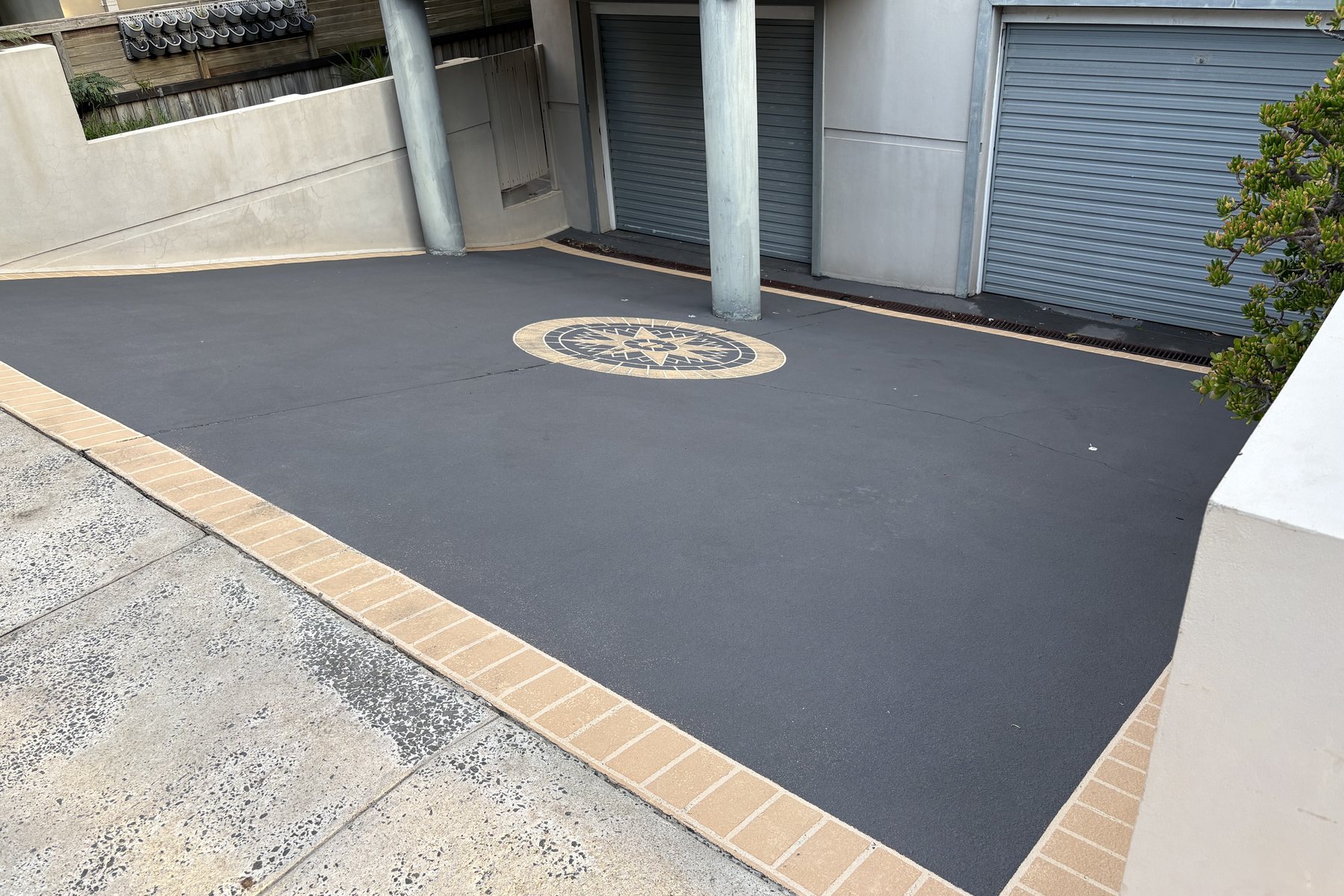
The surface mix in Maroubra is unusually varied for one suburb. The post-war homes through the centre mostly have plain broom-finish concrete driveways and narrow side paths. Newer duplexes closer to the beach favour exposed aggregate and pavers, and the older properties up toward the clifftops often have sandstone steps and retaining walls that predate everything around them.
Each behaves differently. Broom-finish concrete holds sand and salt grit in its texture, which grinds in over time and greys the whole slab. Exposed aggregate traps organic matter between the stones, where moss establishes fast on the shaded southern side of a house. Sandstone is the one to be careful with: it is soft, and high pressure will scar it permanently and strip the weathered face that gives it its colour.
Side passages are the worst affected almost everywhere here, because they stay damp, see no direct sun and catch leaf litter from neighbouring gardens. That combination turns them genuinely slippery through winter. We drop pressure right down for sandstone and older pavers, and keep wash water out of the stormwater system in line with Randwick City Council requirements.
The most immediate return on pressure washing here is not appearance, it is grip.
Side passages and shaded steps in Maroubra hold moisture and grow an algae film that becomes genuinely slippery, and those passages are the route people take with bins, shopping and children. A fall on a wet, mossy path is the kind of incident that turns into an insurance claim, and on a rented property it raises questions about the owner's maintenance obligations.
The second return is surface life. Sand and salt ground into broom-finish concrete act as an abrasive underfoot and hold moisture in the surface, and concrete that stays damp deteriorates faster at the surface layer. Sandstone is worse again, because once the weathered face starts breaking down it does not stop.
Then there is the presentation. A driveway is usually the largest single surface a visitor sees before they reach the front door, and a greyed, streaked slab drags down a house that is otherwise well kept.
Setting pressure by surface is what protects the sandstone and older pavers while still shifting the ingrained material from the concrete.
Driveways, paths, patios and paving across Sydney, and how we set pressure by surface rather than by habit.
Proudly serving Sydney with expert exterior cleaning.
MONDAY: 7:30 AM — 6:00 PM
TUESDAY: 7:30 AM — 6:00 PM
WEDNESDAY: 7:30 AM — 6:00 PM
THURSDAY: 7:30 AM — 6:00 PM
FRIDAY: 7:30 AM — 6:00 PM
SATURDAY: CLOSED
SUNDAY: CLOSED